

Hotel operators need to provide guests with clean and comfortable accommodation. However, pests can enter even well-maintained properties through luggage, deliveries, food supplies, building gaps and adjoining areas.
Bed bugs can cause bites, itching and loss of sleep, but they are not known to spread disease. In contrast, pests such as cockroaches, flies and rodents may contaminate food, surfaces and storage areas. Pest sightings may also lead to complaints, negative reviews and damage to a hotel’s reputation.
Newcastle Pest Exterminators provides inspections, targeted treatments and prevention advice for commercial properties. An integrated pest management approach combines inspection, sanitation, exclusion, monitoring and carefully selected treatments according to the property’s needs.

Five Pests Hotels May Encounter
Hotels and accommodation properties can encounter several pests because they receive frequent guests, luggage, deliveries and food supplies. Common concerns include:
- Bed bugs, which travel between properties in luggage, clothing and furniture and usually hide near sleeping or resting areas
- Cockroaches, which favour locations with accessible food, moisture, warmth and harbourage
- Flies, which may contaminate food and food-contact surfaces
- Rodents, which can contaminate areas with droppings and urine and damage packaging, wiring and building materials
- Ants, which commonly enter through structural gaps while foraging for food or water
Each pest requires correct identification and a treatment plan suited to its biology and location.

Pest Infestations Affect Business
A pest infestation can affect hotels, bed and breakfasts and holiday rentals in different ways. Cockroaches, flies and rodents may create food-safety or contamination risks, while bed bugs can cause bites, discomfort and disrupted sleep. Some pests can also damage stock, wiring, furnishings or building materials.
Guest sightings may lead to complaints, refunds, room closures or negative reviews. Therefore, hotels should use documented prevention, reporting and response procedures rather than waiting for an infestation to become established.
Signs of an Infestation
Hotel cleaners and managers should know the signs associated with different pests. Staff should report:
- Live or dead insects in guest rooms, kitchens, storage areas or waste areas
- Dark bed bug spotting, shed skins or live insects around mattresses, bed frames and upholstered furniture
- Cockroach droppings, egg cases or activity around appliances, cupboards and plumbing
- Rodent droppings, gnaw marks, damaged packaging or scratching sounds
- Fly activity around food, drains, waste areas or organic matter
- Ant trails leading to food, water or structural gaps
Odours may occur during a substantial infestation, but staff should not rely on smell alone. Managers should document reported signs and arrange professional identification before selecting a treatment.
Hotel Pest Control
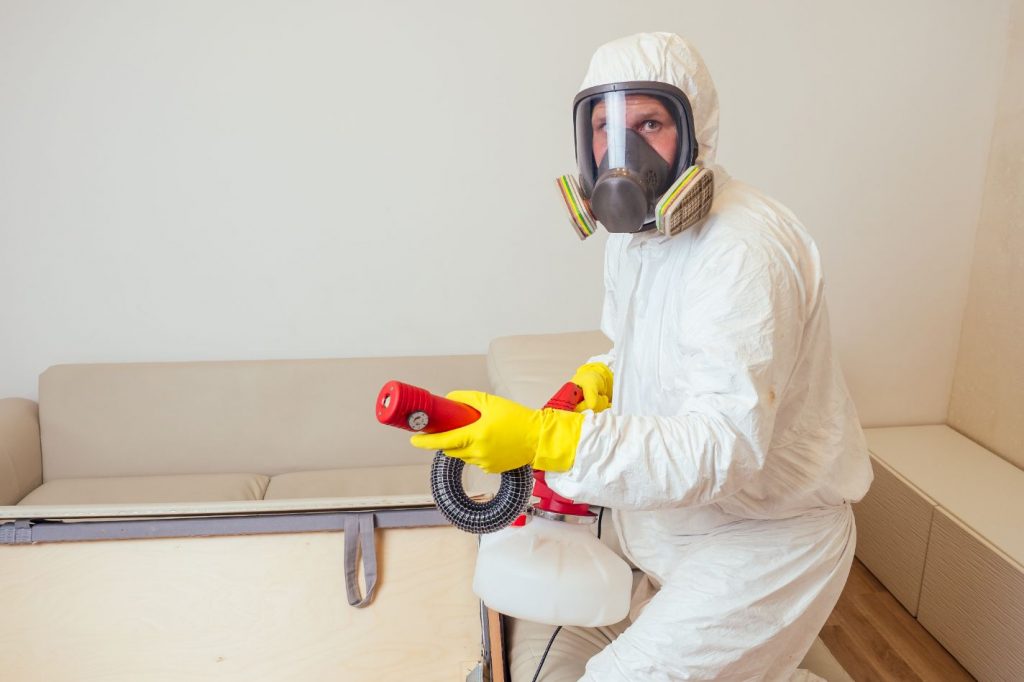
Effective hotel pest control in Newcastle begins with an inspection of guest rooms, kitchens, storage areas, waste zones, service areas and other accessible locations relevant to the reported pest.
After identifying the pest and extent of activity, Newcastle Pest Exterminators can prepare a site-specific management plan. Depending on the findings, the plan may include monitoring, trapping, baiting, targeted pesticide application, sanitation advice and recommendations for sealing entry points.
Where the hotel prepares or serves food, treatments must protect food and food-contact surfaces from contamination. Technicians must also use pesticides according to the approved label and provide relevant preparation and re-entry instructions.
Ongoing monitoring can help identify new activity and show whether the management plan requires adjustment. Staff training also helps employees recognise signs, document sightings and report problems promptly.
Contact our team to discuss a pest management plan suited to your accommodation property.
