

Mites are a large and varied group of tiny arachnids. Some species live in household dust, some affect people or animals, and others feed only on plants. Because their health risks and control methods differ, correctly identifying the type of mite is essential before arranging treatment.
This guide explains the main types of mites found around homes, the problems they may cause and when pest control, medical care or veterinary advice may be appropriate.
What are Mites?
Mites are small arachnids related to ticks and spiders. Thousands of mite species exist, and their behaviour varies considerably.
Mites that may be encountered around homes include:
- House dust mites, which live mainly in bedding, carpets and upholstered furniture. They feed on shed skin and other organic material. Dust mites do not bite, but their allergens can contribute to asthma, allergic rhinitis and eczema in sensitive people.
- Bird and rodent mites, which normally feed on birds or rodents. They may temporarily bite people when their usual host leaves or a nest is abandoned.
- Scabies mites, which burrow into human skin and cause an intensely itchy and contagious skin condition requiring medical treatment.
- Animal mites, which can affect pets and should be diagnosed and treated by a veterinarian.
- Spider mites, which feed on plants and can damage garden and agricultural plants. They are not household blood-feeding pests.
Therefore, a suspected mite problem should be identified before any treatment is selected.
Are Mites Dangerous?
The risk depends on the mite species. Most mites encountered in the environment do not pose a serious threat to people.
House dust mites do not bite or feed on blood. However, proteins in their bodies and droppings can trigger allergic reactions, including sneezing, a runny nose, itchy eyes and asthma symptoms in sensitive people.
Bird and rodent mites may bite people temporarily, usually after their normal host has left a nest. These bites may cause itching and skin irritation, but the mites generally cannot establish a lasting infestation on humans.
Scabies is different. It is caused by the human itch mite, which burrows into the skin and spreads mainly through prolonged skin-to-skin contact. Suspected scabies should be assessed by a doctor or pharmacist because household pest spraying is not a substitute for medical treatment.
Some mite species transmit disease in particular geographical or ecological settings. However, this should not be presented as a general risk from dust mites or other common household mites.
Mite Pest Control
The correct response to a mite problem depends on the species and its source.
- For bird or rodent mites, the source may be a nest or rodent activity in a roof void, wall cavity or other part of the building. Once the host and nesting material have been dealt with appropriately, targeted pest treatment and proofing may be recommended.
- For dust mites, control focuses on reducing allergen exposure rather than attempting to eradicate every mite with insecticide.
- For suspected scabies, speak with a doctor or pharmacist. People who live together or have had close contact may also require treatment.
- For mites affecting pets, seek veterinary advice.
- For spider mites on plants, use suitable plant-care or horticultural control methods rather than a household pest treatment.
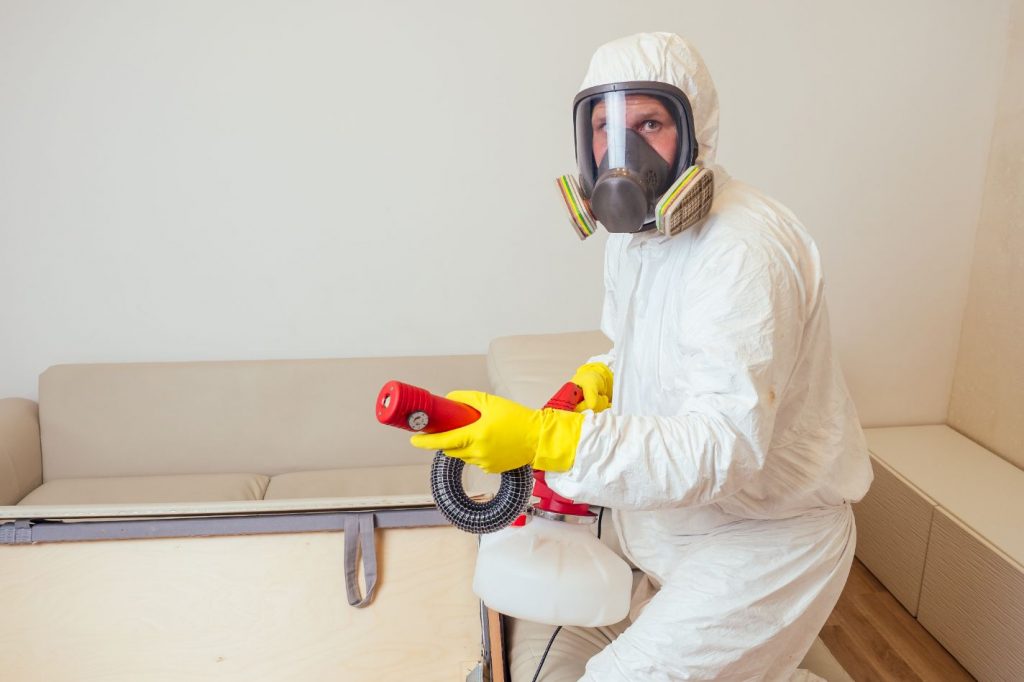
A pest management technician can inspect the property where an environmental source, such as bird or rodent nesting, is suspected. Correct identification helps prevent unnecessary or ineffective pesticide use.
How to Reduce Mite Problems
There is no single prevention method for every type of mite. The appropriate steps depend on the species involved.
To reduce exposure to house dust mite allergens:
- Wash bedding regularly according to the manufacturer’s care instructions
- Use allergen-resistant mattress and pillow covers where appropriate
- Vacuum carpets and upholstered furniture regularly, preferably with a vacuum fitted with a suitable high-efficiency filter
- Reduce excess indoor humidity and improve ventilation
- Speak with a doctor if allergy or asthma symptoms persist
To reduce the risk of bird or rodent mites:
- Address bird nests or rodent activity in and around the building
- Seal suitable entry points after confirming animals are no longer inside
- Wear gloves and appropriate protective equipment when handling nesting material
- Arrange professional assistance when a nest is inaccessible or mite activity continues
Dust mites cannot usually be eliminated completely, but allergen exposure can be reduced.
What to Do About Suspected Mite Bites
Dust mites and spider mites do not bite people. Therefore, an unexplained itchy rash should not automatically be attributed to either type.
Bird or rodent mite bites may cause small, itchy areas of skin, but similar symptoms can have many other causes. Avoid scratching, gently wash the affected skin and speak with a pharmacist or doctor if the irritation is severe, spreading or persistent.
Seek medical advice if you develop intense itching, particularly at night, or a rash with fine tracks between the fingers, around the wrists or in other skin folds, as these can be signs of scabies.
Call Triple Zero (000) if someone develops difficulty breathing, facial or throat swelling, dizziness or other signs of a severe allergic reaction. Antibiotics should only be used if a medical professional diagnoses a secondary bacterial infection.
Mite Identification and Control in Newcastle
Because different mites require different responses, the first step is to identify the likely species and source. Environmental mite activity associated with bird nests, rodents or building areas may require a property inspection and targeted pest management.
Skin symptoms should be assessed by a doctor or pharmacist, while mites affecting pets should be referred to a veterinarian. Plant-feeding mites may require horticultural advice.
If you suspect that bird or rodent mites are entering your property, contact Newcastle Pest Exterminators to discuss an inspection. We can investigate possible nesting or pest-related sources and advise whether property treatment is appropriate.
